


INDIVIDUAL THESES
Scroll to read more
THESIS SYNTHESIS

Areas with a deeper colour show overlapping points of focus between different projects.
RURAL HEALTHCARE

Josie Strachan
Issue: On the isle of Harris, long distances to hospitals and social infrastructure limit access to emergency care, contributing to healthcare inaccessibility, isolation and loneliness.
Approach: A new hospital and port on Harris's west coast to reduce travel times and improve access.

Daniel Ellington
Issue: Lack of healthcare in remote areas, exacerbating small problems due to a lack of appropriate staff and equipment.
Approach: A new hospital designed to attract staff, and utilise AI technology for more efficient use of space.

Tom Robertson
Issue: Lack of MS specialised healthcare on Orkney, resulting in health related stress, isolation, and more frequent trips to the mainland for the afflicted.
Approach: A centralised MS Clinic with integrated social infrastructure to provide non-stigmatised healthcare.

Ryan Smith
Issue: Arbroath faces widening health inequalities, marked by generally poor health and well-being, overstretched GP services, and an aging population that will intensify this.
Approach: A holistic approach to healthcare, developing a more socially integrated typology within the urban fabric, informed by principles of trauma informed care.

Eilidh Bauchop
Issue: Lack of women's healthcare in isolated areas, creating unsuitable conditions for women to give birth and a lack of medical knowledge on conditions such as endometriosis.
Approach: A specialised healthcare and research facility designed to reduce travel for women in an isolated part of Scotland.
LAND MANAGEMENT

Lewis Duncan
Issue: Scotland faces an issue of unsustainable land management, where forests and harvested timber are often used in ways that fail to support ecological health or climate sensitivity.
Approach: A new, decentralised forestry, sawmill and engineered timber hub.

Bridget Schneider
Issue: Land misuse has led to the increased prevalence of wildfires, drought and food scarcity.
Approach: By implementing agro-forestry, community education, and localised systems. the Portuguese landscape can transition from ongoing degradation to long-term ecological resilience.

Hussein Khalil
Issue: Unsustainable spread of non-native eucalyptus forests destroy native ecosystems and increase wildfire risks.
Approach: Create a transitional timber industry that replaces eucalyptus farming and promotes community involvement.
GOVERNANCE

Luca Sode
Issue: Rising global trends of resource scarcity, human rights violations and rising systematic inequalities. These issues are expected to worsen as climate change accelerates.
Approach: Through a cross-disciplinary analysis, can move from observing injustice to actively shaping spaces of accountability.
CLIMATE RESILIENCE

Miruna Georgescu
Issue: Climate instability brings extreme heat and floods to Porto; with 70% impermeable and reactive planning, the city's infrastructure struggles to manage these impacts.
Approach: Flood prone areas will host education and clinic hubs with water-management systems. A central hub monitors floods and temperatures, alerts citizens and supports preparedness.
COMMUNITY INITIATIVES
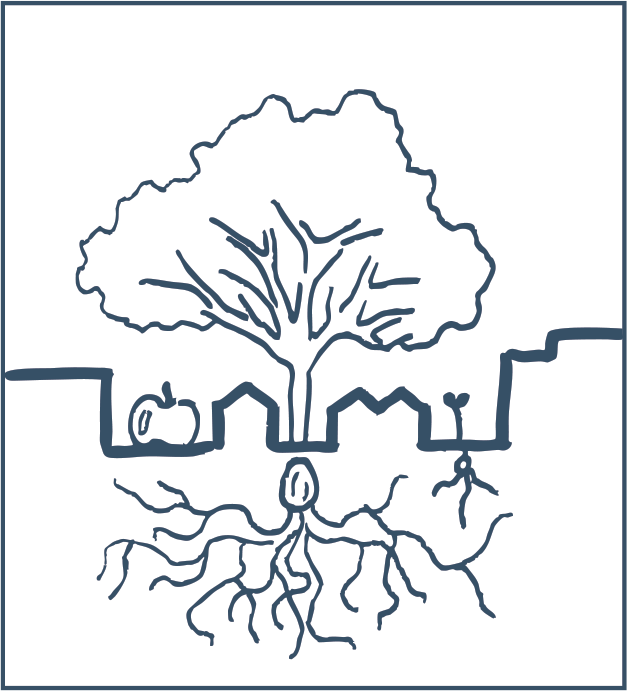
Abdu Mahdi
Issue: House prices in Porto are rising. Gentrification, exacerbated by an economy over reliant on international developers are tourism, has prices=d locals out of their urban centre.
Approach: Implementing a strategy in which, land, dwellings and infrastructure can be built, owned and used by local communities, fostering strong bonds between people and their city.
URBAN HEALTHCARE

Bota Issatayeva
Issue: Stressed and overworked healthcare staff results in long waiting times in uncomfortable spaces and decline in patient and staff well-being.
Approach: A humanist design approach to maximise utility for both patients and staff. Adaptive reuse and AI integration within existing buildings to maximise their utility and aesthetics.


