PORTUGAL ANALYSIS
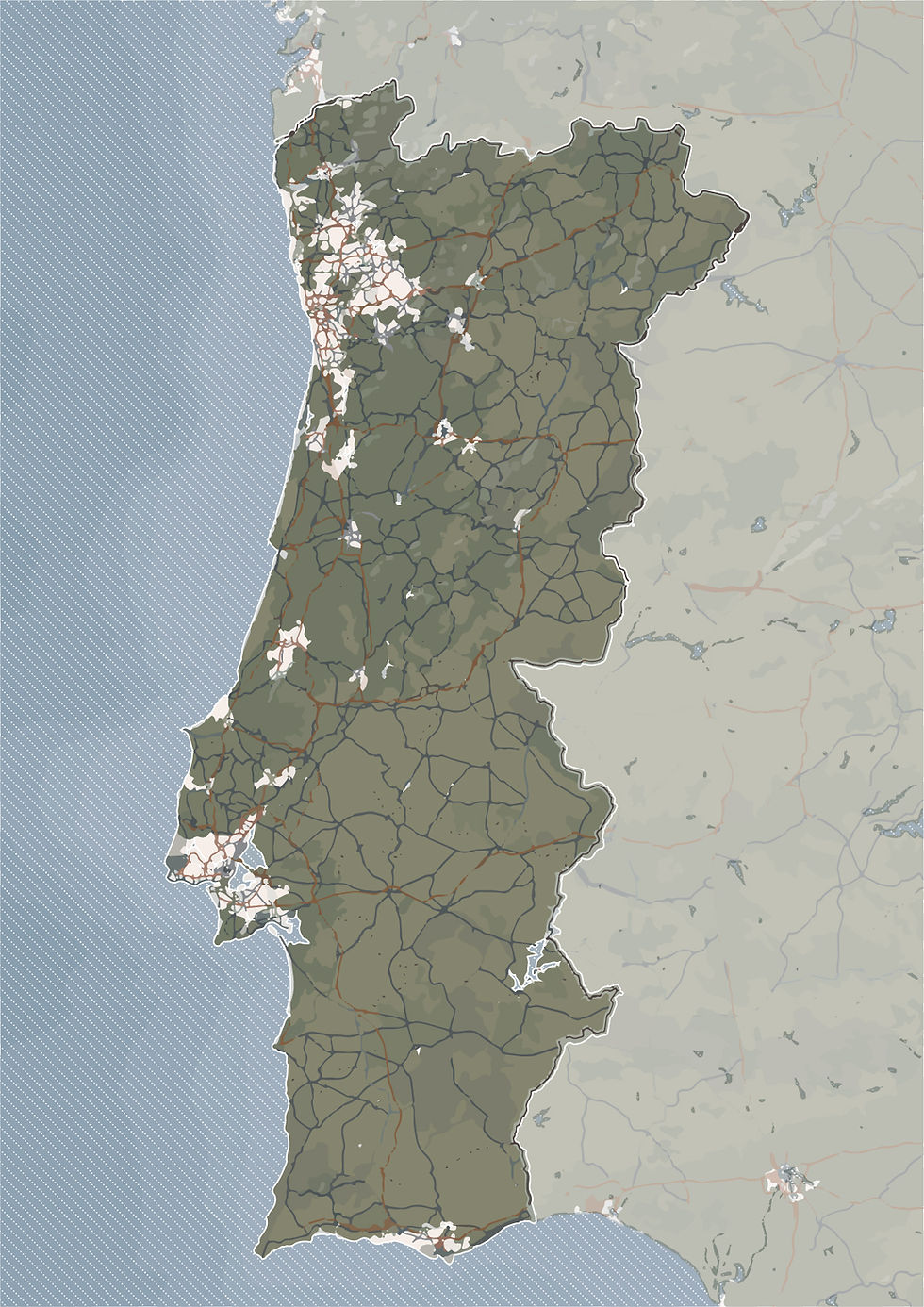
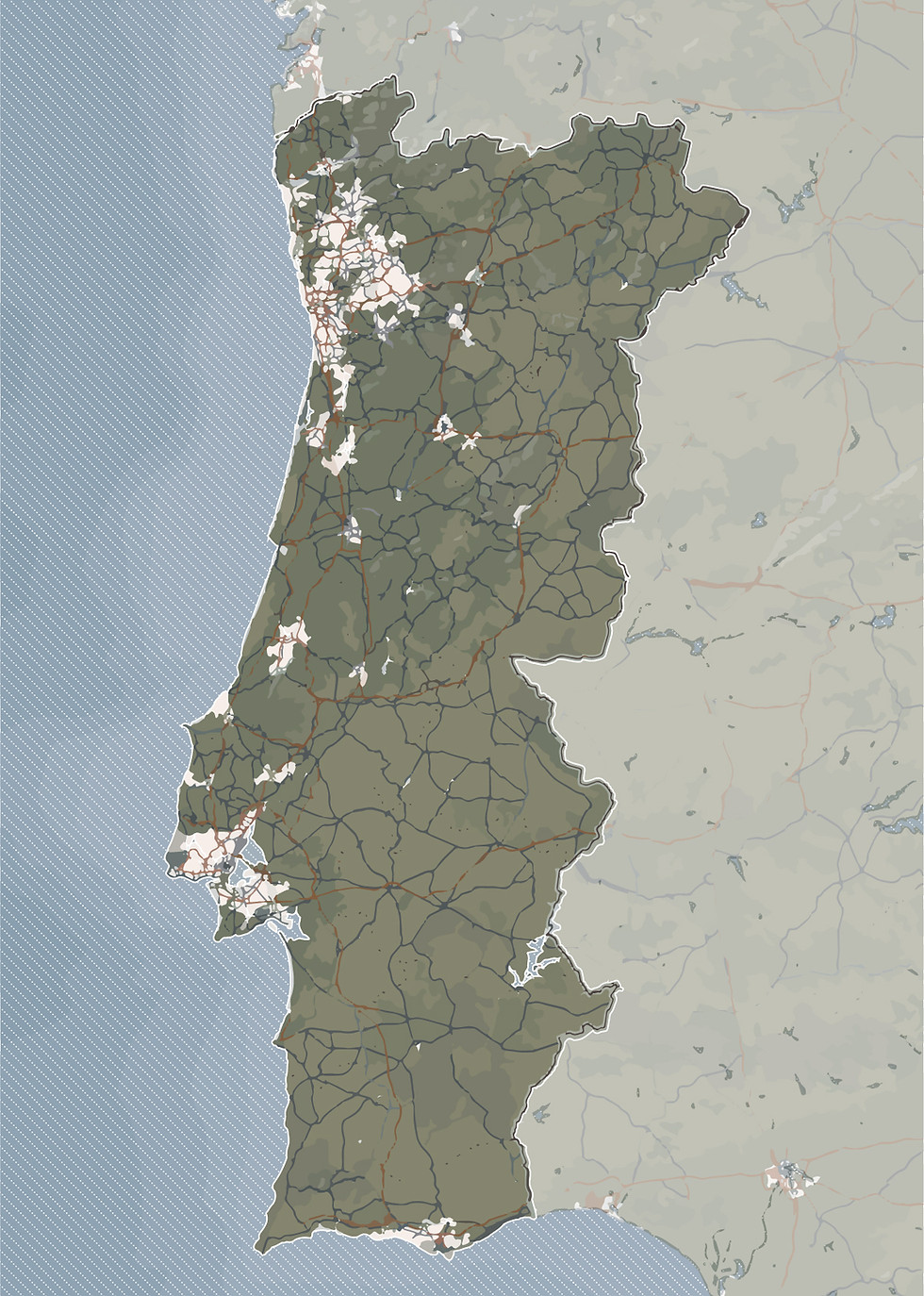
Fig. ME.P.01; Authors own, Portugal Map
This section explores Portugal with a focus on environmental issues, infrastructure and community resilience.
Inspired by the ‘Promethean Moment’, it examines Portugal’s key vulnerabilities, their causes, and how the conclusions presented in the Macro section can be integrated into this context to support more equitable systems.
See below to learn more

“Use this space to share reviews from customers about the products or services offered.”

Fig. ME.P.02; Authors own, Portugal Density Map, based on (Eurostat, accessed 2025)

Fig. ME.P.03; Authors own, Portugal Population Map, based on (Eurostat, accessed 2025)

Fig. ME.P.04; Authors own, Portugal Economic Map, based on (Eurostat, accessed 2025)

POLITICAL STRUCTURE

INFRASTRUCTURE ANALYSIS

CLIMATE ANALYSIS

DEMOGRAPHIC ANALYSIS

HEALTHCARE ANALYSIS

ECONOMICAL OVERVIEW
OUR MESO SYNTHESIS
Below is a selection of 9 key meso conclusions that inform our unit's direction

Healthcare Inequalities
Major regional and socioeconomic disparities exist across the country, leading to long public waiting times and unequal access.

Abandoned Urban Housing
Deteriorating housing fuels widespread abandonment and declining neighbourhood conditions. Over 700,000 properties sit empty across Portugal.

Ageing Population
Porto's economic strategy priorities innovation and global investment. This creates opportunity for international collaboration and new opportunities across the city.

Lack of Affordable Housing
Rapidly rising house prices, gentrification and soaring rents are displacing residents from urban areas and increasing vulnerability.

Community Ownership
A growing community ownership in Portugal has increased local resilience, through initiatives such as co-managed forests and community farms.

Lack of Climate Resiliency
Severe climate risks expose underfunded prevention systems, reducing Portugal's capacity to manage escalating climate extremes.

Food & Water Insecurity
Portugal faces rising food costs and worsening water scarcity due to environmental conditions and agricultural decline.

Land Degradation
Agricultural land degradation and poor forest management are weakening Portugal's natural ecosystems, which are critical to preventing climate disaster.
Internal Climate Displacement
Portugal faces severe wildfires. 135,000 individual fires burned in 2024, fuelled by hot summers and expanding foreign plantations which are pushing people to the more expensive coastal areas.