Economy

Fig. ME.S.E,01; Author's Own, Economy Sketch
RESEARCH JUSTIFICATION
Understanding the Scottish Economy is key for studio projects designed to support economic growth. By examining current trends, we can identify the impact of specific industries and services on the national economy and consider how these patterns influence communities at a local level.
How can economic trends affect local communities?
Economic Context

Fig.ME.S.SE.03; 'Percentage Change in Payrolled Employees, Scotland 2025', based on, (NHS Scotland, 2025)
Current Economic Climate
Scotland’s economy in late 2025 is experiencing modest growth, with GDP increasing by 1.1% and forecast to rise to 1.6% in 2026. Despite this, growth remains subdued, due to weak investment, persistent cost pressures, and moderated consumer demand. Although inflation has eased slightly, it continues to affect household spending and business margins.
The labour market is relatively stable, though significant regional and sectoral disparities persist. The adjacent graph highlights areas that have experienced growth alongside those that continue to struggle.
Public finances face increasing pressure as service demands rise, while long-term challenges such as improving productivity and private investment remain key concerns for achieving sustainable recovery (Scottish Government, 2025).
Continue below to learn more about Scotland's economic drivers.

Fig. ME.S.IF,02; Author's Own, Social Infrastructure Sketch


Economic Drivers
SCOTLAND'S GLOBAL TRADE NETWORK
IMPORTS AND EXPORTS

Fig.ME.S.E.11; Authors Own, 'Imports and Exports Slides', based on (HMRC Regional Trade Statistics for Scotland, 2024)
SCOTLAND'S GLOBAL TRADE NETWORK
NORTH AMERICA

Fig.ME.S.E.11; Authors Own, 'Imports and Exports Slides', based on (HMRC Regional Trade Statistics for Scotland, 2024)
SCOTLAND'S GLOBAL TRADE NETWORK
SOUTH AMERICA

Fig.ME.S.E.11; Authors Own, 'Imports and Exports Slides', based on (HMRC Regional Trade Statistics for Scotland, 2024)
SCOTLAND'S GLOBAL TRADE NETWORK
EUROPEAN UNION

Fig.ME.S.E.11; Authors Own, 'Imports and Exports Slides', based on (HMRC Regional Trade Statistics for Scotland, 2024)
SCOTLAND'S GLOBAL TRADE NETWORK
EUROPE (EXCLUDING EU)

Fig.ME.S.E.11; Authors Own, 'Imports and Exports Slides', based on (HMRC Regional Trade Statistics for Scotland, 2024)
SCOTLAND'S GLOBAL TRADE NETWORK
MIDDLE EAST AND NORTH AFRICA

Fig.ME.S.E.11; Authors Own, 'Imports and Exports Slides', based on (HMRC Regional Trade Statistics for Scotland, 2024)
SCOTLAND'S GLOBAL TRADE NETWORK
SUB-SAHARAN AFRICA

Fig.ME.S.E.11; Authors Own, 'Imports and Exports Slides', based on (HMRC Regional Trade Statistics for Scotland, 2024)
SCOTLAND'S GLOBAL TRADE NETWORK
ASIA AND OCEANIA

Fig.ME.S.E.11; Authors Own, 'Imports and Exports Slides', based on (HMRC Regional Trade Statistics for Scotland, 2024)
Biggest Exports
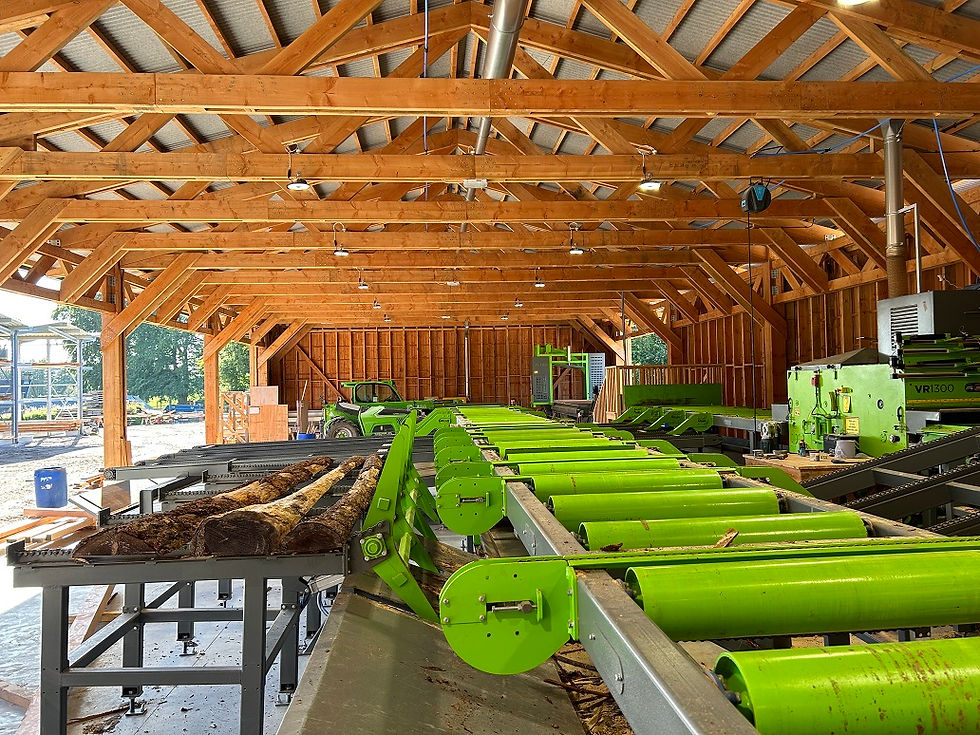
Scotland’s economy is predominantly service-based (Fraser of Allander Institute, 2025, Scottish Government, 2025). While services dominate national spending, industrial activity continues to shape much of Scotland’s regional identity, particularly in the highlands, the northeast, and other rural mainland areas. Construction and renewable infrastructure investment have become stabilising forces within the economy, reflecting a shift towards a low-carbon transition and circular resource systems.
Scotland’s economic trajectory therefore reflects a broader national project: rebalancing from the extraction and export of resources toward regeneration and innovation. (Scottish Parliament, 2024, Scotland.org, 2024).
76% GDP - Service Sector: Includes finance, public services, education, tourism and the creative industries.
18% GDP - Production Sector: Manufacturing, energy and utilities.
5-6% of GDP - Construction.
1% of GDP - Agriculture, Forestry, and Fishing.
(Scottish Parliament, 2024, Scotland.org, 2024)

Fig.ME.S.E.12; Authors Own, 'Scotlands Key Exports', based on, (The Scottish Governement, 2025)

Fig.ME.S.E.13; Authors Own, 'Industry Sketch'