Healthcare

Fig. MA.H.01; Healthcare
RESEARCH JUSTIFICATION
Healthcare across the world is undergoing significant change due to post-COVID reassesment and the accelerating development of digital technologies.
This research aims to explore different theorys behind the development of healthcare facilities, and the impact new technologies have on them.
To determine how healthcare is changing and what systems should be used in the future?
Overview of Global Healthcare Systems

Fig. MA.H.02; Effectiveness of Global Healthcare Systems (Health at a Glance 2023, OECD, 2023)
Funding:
General Taxation | Social Insurance | Private Insurance
Providers:
Public | Mostly Public | Mostly Private | Private
Structure:
Centralised | Hybrid | Decentralised
Private Sector Role:
Dominant | Complementary | Minimal
Current Stress Level:
Low | Moderate | High | Severe
(The Structure of the NHS, Step into Health, accessed 2025)

Fig. MA.H.03; United Kingdom


“Truly functional design - satisfying immediate operational needs, catering for the emotional needs of patients and staff, making good connections with the locality, anticipating future change - must be the basis of excellent architecture.”
-Sunand Prasad "Changing Hospital Architecture"
Overview of Architectural Healthcare Theory
Hospitals Relationships with Cities
Fig. MA.H.08; Current healthcare setting on the urban periphery compared to a socially integrated version imagined by Sunand Prasas.
Contemporary hospitals often turn their back on the cities they serve, frequently located on greenfield sites on the urban periphery.
However, Sunand Prasas argues that hospitals can be the backbone of communities and should be integrated within its core urban fabric. Healthcare buildings can serve as builders of community identity, by creating spaces for volunteering, which has positive social benefits and health benefits too (Dr Alison Clement, Interview hosted by Ryan Smith, Angus HSCP Clinical Director, 2025).

An example of an integrated approach can be seen in Le Corbusier’s unbuilt hospital plan for Venice from the early 1960’s. The design envisioned a continuation of the city, organised around a series of small courtyards reflective of the Venetian vernacular. The proposal would have fitted seamlessly into the existing urban fabric, creating a hospital that fully integrates with the community it serves (Sunand Prasad, Changing Hospital Architecture, 2008).

Fig. MA.H.09; Le Corbusiers Venice Hospital Plan (Entire Landscapes, accessed 2025)


“The corona crisis has rekindled debate on the subject, once again confirming that, instead of having too few hospitals, we have the wrong ones.”
Christine Nickl-Weller & Hans Nickl
New Developments

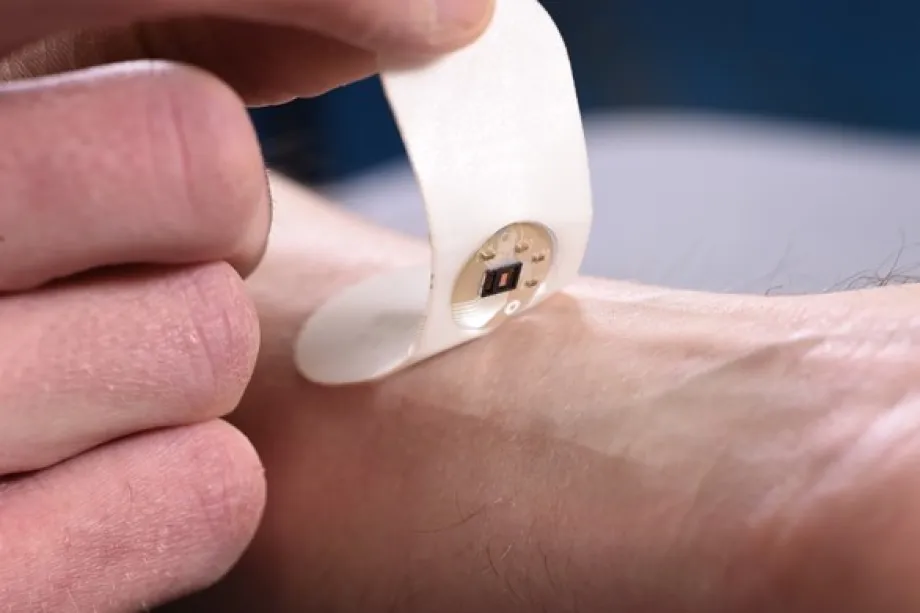


Telemedicine
In the past decade, due to an increased access to the internet, telemedicine has emerged as a vital component for the delivery of healthcare. As patients can speak to medical professionals remotely through their phone, computer or other online platforms, reducing the reliance on physical clinics. This in turn, helps to ease the pressure on healthcare facilities, as patients in non-urgent cases, don’t need to be seen face-to-face.
In rural and remote areas where distance and workforce shortages restrict access to healthcare, telemedicine can be vital. Rather than centralising all services into larger hospitals, this method allows healthcare systems to operate as decentralised networks, connecting patients with healthcare professionals across larger areas.
During the COVID-19 pandemic the full potential of telemedicine was realised. Before the Pandemic, it was treated as a supplementary service, until it became an essential mode of healthcare delivery, due to travel restrictions and social distancing guidance (NHS England, accessed 2025) (Julia Shaver, The State of Telehealth Before and After the COVID-19 Pandemic, 2022).

Fig. MA.H.18; The Future of The Hospital, Buro Happald, 2022. (Buro Happold, accessed 2025)
Fig. MA.H.19; Telemedicine

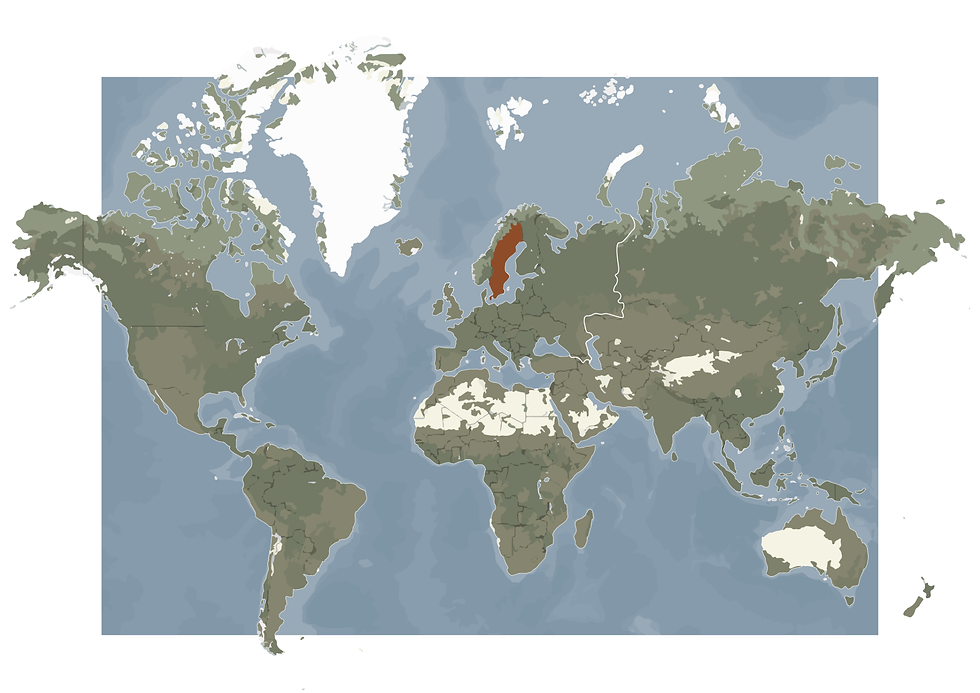
Fig. MA.H.20; Telemedicine in Sweden, doctor in central hospital connected with patient and nurse in rural location
A range of international healthcare models highlight the benefits of utilising telemedicine. In the UK, due to the NHS’s development of virtual wards, patients with conditions such as chronic respiratory disease can be monitored in their own homes using apps and connected devices under hospital supervision. This template lowers emergency admissions by transferring sections of inpatient care into domestic settings.
In Sweden, nurses in rural hospitals are virtually connected to doctors located in central buildings to provide care in remote area, without the need for permanent on-site doctors (NHS England, accessed 2025).
At an even larger scale, Saudi Arabia has developed the Seha Virtual Hospital which operates as a fully networked virtual institution, that delivers specialist care across 170 smaller hospitals without relying on a single centralised building (Saudi Arabia Ministry of Health, 2024).
These examples demonstrate how telemedicine enables healthcare systems to function as distributed networks.